

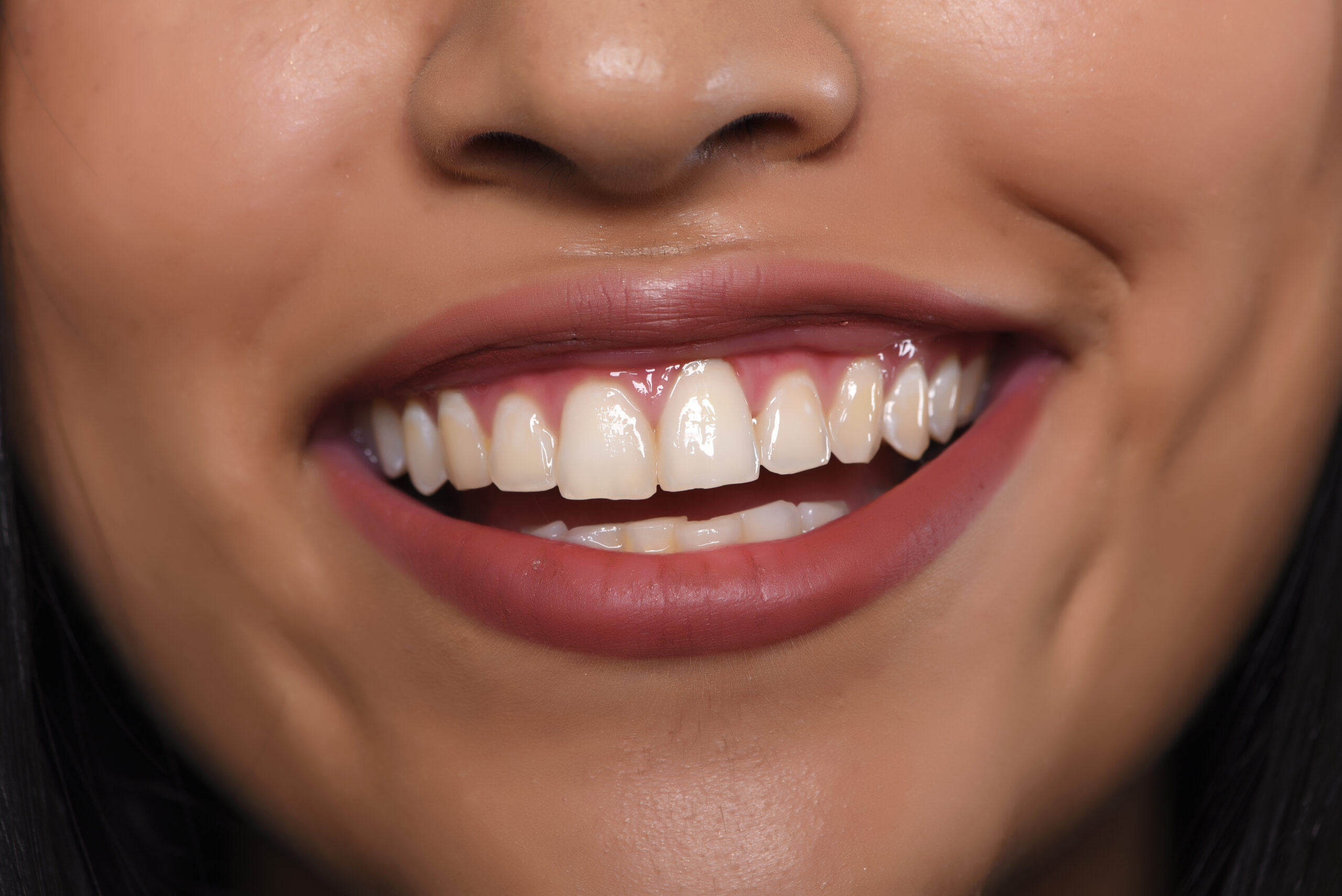
A cavity is never fun, but a cavity in a front tooth can feel especially stressful. Front teeth are the most visible part of your smile, and they also play an important role in biting, speaking clearly, and supporting your facial structure. Even a small spot of decay can impact confidence and comfort if it is not treated early.
The good news is that front tooth cavities are very treatable, and modern dentistry offers solutions that protect both the appearance and strength of your tooth. In this guide, we will explain the most common causes, what treatments may be recommended, and what you can do to prevent it from happening again.
If you are noticing a spot, sensitivity, or roughness on a front tooth, a simple exam can confirm what is going on and help you address it before it gets bigger.
Why Front Tooth Cavities Happen
Front teeth, especially the upper incisors, do not have deep chewing grooves like molars, so people often assume they are less likely to get cavities. But front teeth can still decay, and when they do, it is usually because plaque has been sitting in an area that is easy to miss.
A cavity in a front tooth often develops in one of these spots:
- near the gumline
- between two front teeth
- behind the front teeth
- around existing dental work
Common Causes of a Cavity in a Front Tooth
Plaque Buildup Along the Gumline
Plaque loves the gumline. If brushing misses that area, bacteria can weaken enamel and create decay. This is especially common if gums are slightly inflamed or if you brush quickly.
Not Flossing Consistently
Front tooth cavities between teeth are often tied to inconsistent flossing. Food and plaque between the teeth do not get removed by brushing alone, even if you brush twice a day.
Frequent Sugary or Acidic Drinks
Sipping soda, sweet coffee drinks, sports drinks, juice, or energy drinks throughout the day exposes teeth to constant acid attacks. Even flavored sparkling water can be acidic enough to contribute over time.
Dry Mouth
Saliva is your natural defense. It helps wash away bacteria and neutralize acids. If you breathe through your mouth, take certain medications, or have dry mouth issues, your risk for decay increases, including on the front teeth.
Wearing Clear Aligners or Retainers Without Proper Cleaning
Aligners and retainers can trap plaque and sugars against teeth if oral hygiene is not consistent. If you snack with aligners in, or if trays are not cleaned well, front teeth are often the first to show signs of decay.
Previous Dental Work or Weak Enamel Spots
If you have bonding, a veneer edge, or an older filling, plaque can collect around margins. Some people also have naturally weaker enamel or early white spot lesions that can become cavities if not addressed.
Smoking or Vaping
Smoking and vaping can increase plaque buildup, dry out the mouth, and raise the risk of gum inflammation, which can make it easier for cavities to form near the gumline.
Signs You Might Have a Front Tooth Cavity
Some cavities are obvious, but early decay can be subtle. Watch for:
- a white spot, brown spot, or dark line on the tooth
- sensitivity to cold, sweets, or air
- a rough area you can feel with your tongue
- minor chipping near the edge or gumline
- floss shredding or catching between the teeth
If you notice any of these, it is worth getting checked. Early treatment is typically easier and more cosmetic.
Why Front Teeth Are Both Cosmetic and Functional
Front teeth do more than look good in photos.
They help you:
- bite into foods like sandwiches, apples, and pizza
- pronounce sounds clearly, especially S, F, and V sounds
- maintain the natural shape of your smile and lips
- support proper bite alignment
A cavity in a front tooth can weaken the tooth structure and affect appearance. Treating it early helps preserve both strength and a natural look.
Possible Treatments for a Cavity in a Front Tooth
Treatment depends on how deep the cavity is and where it is located. At Novi Oaks Dental, the goal is always to remove decay while keeping your tooth looking natural.
Fluoride or Remineralization Support for Very Early Decay
If the cavity is in the earliest stage, sometimes it can be managed with professional fluoride and home care changes to help strengthen enamel. This is most common when the issue is a small white spot without a true hole yet.
Tooth Colored Filling
For most front tooth cavities, a tooth colored composite filling is the go to option. Composite blends with your natural tooth color and can be shaped carefully to match your smile.
This is often recommended for:
- small to moderate cavities
- decay near the gumline
- cavities between front teeth
Dental Bonding for Small Areas
If the cavity is minor or if decay causes a small chip, bonding may be used to restore shape and appearance in a conservative way. Bonding is quick, natural looking, and ideal for cosmetic areas.
Veneer in Cosmetic Focused Situations
If a front tooth has larger damage, visible staining, or shape issues along with decay, a veneer may be an option after decay is treated. Veneers can provide a highly aesthetic finish, especially when patients want a uniform look.
Root Canal and Crown for Deep Decay
If decay reaches the nerve, you may experience lingering pain, swelling, or sensitivity. In that case, a root canal may be needed to save the tooth, followed by a crown or other restoration to protect it.
Replacement Options if the Tooth Cannot Be Saved
This is less common for front teeth when caught early, but if decay is severe, options may include an implant or bridge. The best approach depends on structure, gum health, and your overall bite.
Precautions and Prevention Tips
If you have had a cavity in a front tooth, prevention is about reducing plaque buildup and acid exposure in the areas that caused it.
Brush With Focus at the Gumline
Use a soft bristle brush and angle slightly toward the gumline. Take a few extra seconds on your front teeth, especially where gums meet tooth.
Floss Daily, Not Just When Something Feels Stuck
Flossing is the best defense against cavities between front teeth. If flossing is hard, try floss picks or a water flosser as support.
Limit Sipping on Sugary or Acidic Drinks
If you drink coffee drinks, soda, or juice, try to keep them with meals and drink water afterward. Constant sipping is one of the biggest drivers of enamel breakdown.
Address Dry Mouth
Hydrate, consider sugar free gum, and talk to your dentist if medications may be contributing.
Keep Aligners and Retainers Clean
Clean trays daily, remove them when eating unless instructed otherwise, and brush before putting them back in.
Keep Up With Regular Dental Visits
Professional cleanings remove tartar that brushing cannot, and routine exams catch small spots before they become real cavities.
Schedule a Front Tooth Checkup at Novi Oaks Dental
If you suspect a cavity in a front tooth, the best next step is a quick evaluation. The earlier you treat it, the easier it is to protect your tooth and keep your smile looking natural.
Schedule an Appointment at Novi Oaks Dental to identify the cause, review treatment options, and prevent future decay with a clear plan.


