

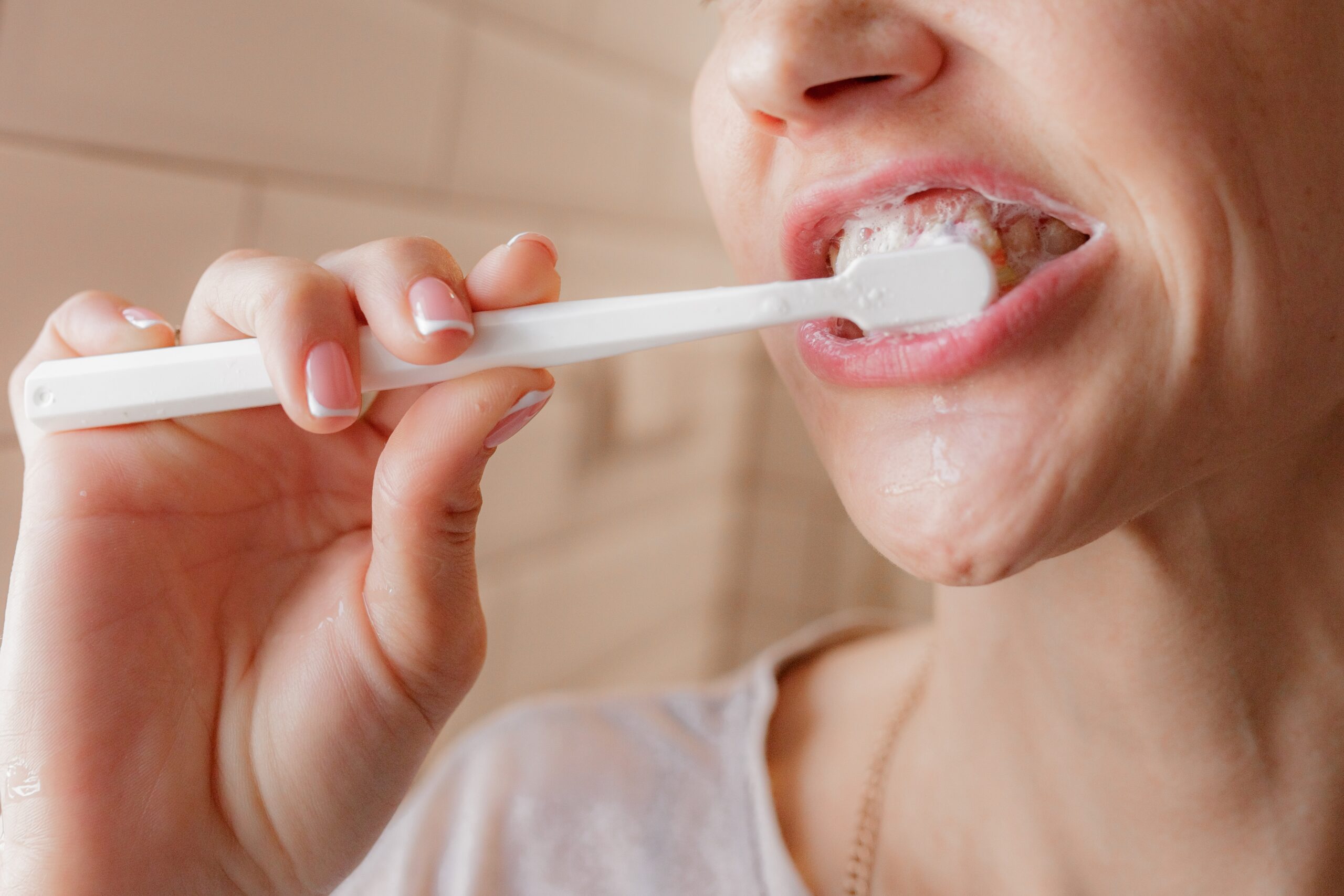
If your gums bleed when you brush or floss, feel tender, or look a little red and puffy, you might be dealing with gingivitis. The good news is that gingivitis is common, and in many cases it is reversible with the right daily habits.
A lot of people search for how to cure gingivitis naturally because they want to improve gum health at home first. That is a smart place to start, as long as you know what actually works, what can backfire, and when it is time to see a dentist.
This guide breaks it all down in simple terms, including the most common mistakes that make gingivitis worse, the best in-home treatments, and how to know if your gums need professional help. If you want peace of mind, you can always schedule a gentle gum health check at Novi Oaks Dental.
What Is Gingivitis, in Simple Terms?
Gingivitis is the earliest stage of gum disease. It happens when plaque, a sticky film of bacteria, builds up along the gumline and irritates the gums. Your body responds with inflammation, which is why gums look red, feel tender, or bleed easily.
Gingivitis is not the same thing as advanced gum disease. At this stage, the bone and deeper support structures around the teeth are usually not damaged yet. That is why early action matters.
Common signs of gingivitis
- Bleeding when brushing or flossing
- Red, puffy, or tender gums
- Bad breath that keeps coming back
- A bad taste in the mouth
- Gums that look shiny or swollen
- Mild gum soreness
If you are noticing these, it does not automatically mean something severe. It usually means your gums need a reset and more consistent care.
What Causes Gingivitis?
Gingivitis almost always starts with plaque buildup. Even if you brush daily, plaque can hide along the gumline or between teeth. Over time, plaque can harden into tartar, which is harder to remove without a professional cleaning.
Common contributors include:
- Inconsistent brushing or flossing
- Brushing too quickly or missing the gumline
- Plaque buildup around crowded teeth
- Smoking or vaping
- Dry mouth
- Hormonal changes
- Certain medications
- High sugar or frequent snacking
- Skipping regular cleanings
You do not need to be doing everything wrong to develop gingivitis. Sometimes it is just one weak spot in your routine.
The Most Common Mistakes That Make Gingivitis Worse
If you are working on how to cure gingivitis naturally, avoid these common pitfalls. They are the reasons many people feel like they are trying, but nothing changes.
Mistake 1: Brushing harder instead of brushing better
When gums bleed, people often scrub harder to “clean better.” That can irritate gums and make inflammation worse. The goal is gentle, thorough cleaning along the gumline, not pressure.
Mistake 2: Stopping flossing because it bleeds
Bleeding is often a sign you need to floss more consistently, not less. When you stop, plaque stays in place and inflammation continues.
Mistake 3: Relying on mouthwash as the main fix
Mouthwash can help, but it does not replace mechanical cleaning. Plaque needs to be physically removed with brushing and flossing.
Mistake 4: Skipping the gumline
Many people brush the middle of the teeth and miss the area where the tooth meets gum. That is where gingivitis begins.
Mistake 5: Using harsh DIY remedies
Some online advice suggests things that can damage tissue or enamel. Avoid lemon juice, vinegar rinses, hydrogen peroxide used too often, or abrasive powders. Natural does not always mean gentle.
Mistake 6: Assuming bleeding gums are normal
Gums that bleed regularly are not something to ignore. They are a signal that the gum tissue is inflamed.
How to Cure Gingivitis Naturally: What Actually Works at Home
Gingivitis can often be reversed with consistent home care, especially if you catch it early. Here is a complete, practical routine that supports healthier gums.
Step 1: Brush twice daily with the right technique
Brushing is not just about the teeth. It is about the gumline.
- Use a soft bristle toothbrush or electric brush
- Angle the bristles toward the gumline
- Use gentle pressure
- Brush for a full two minutes
- Spend extra time where the gums look red or bleed
An electric toothbrush can help if you tend to brush too quickly or miss spots.
Step 2: Floss every day, even if it bleeds at first
If your gums are inflamed, flossing may cause bleeding for the first few days. That often improves as inflammation decreases.
Tips for better flossing:
- Slide floss gently under the gumline
- Make a C shape around each tooth
- Move up and down a few times per side
- Use a water flosser as a helpful add on, not a replacement
If floss is tough due to crowding, try floss picks, interdental brushes, or a water flosser to make it easier to stay consistent.
Step 3: Use a saltwater rinse to calm irritation
Saltwater can reduce irritation and support healing for sore gums.
How to do it:
- Mix about half a teaspoon of salt in warm water
- Swish gently for 30 seconds
- Use once or twice a day for a week
Saltwater is simple and effective, especially if your gums feel tender.
Step 4: Clean your tongue
Bacteria on the tongue can contribute to bad breath and overall oral bacteria load. Use a tongue scraper or gently brush your tongue daily.
Step 5: Reduce frequent sugar and snack timing
If you snack all day or sip sweet drinks, bacteria get constant fuel. Try to:
- Limit sugary snacks
- Drink water after eating
- Avoid frequent sipping on sweet coffee drinks, soda, or juice
This does not have to be extreme. Even small changes can help reduce inflammation.
Step 6: Support saliva and avoid dry mouth
Saliva helps neutralize acids and wash away bacteria. Dry mouth can worsen gingivitis.
To help:
- Stay hydrated
- Chew sugar free gum with xylitol if appropriate
- Limit alcohol mouthwash if it irritates your mouth
- Ask your dentist if a medication may be contributing
Step 7: Choose a gum friendly toothpaste and rinse
Look for a fluoride toothpaste that is gentle and not overly abrasive. If you use mouthwash, consider an alcohol free option to avoid dryness.
If you have ongoing gum inflammation, your dentist may recommend a specific antimicrobial rinse for a short period. The key is using it as part of a plan, not as the only step.
How Long Does It Take to Reverse Gingivitis?
With consistent care, many people notice improvement in 7 to 14 days. Bleeding often reduces first, then swelling and redness. A full gum reset can take a few weeks, depending on how inflamed things were and whether tartar is present.
If you have tartar buildup along the gumline, home care helps, but professional cleaning is usually needed to fully resolve the irritation.
When Natural Treatment Is Not Enough
Sometimes people do everything right at home and still struggle with bleeding or soreness. That does not mean you failed. It often means there is tartar under the gumline, deeper inflammation, or another issue that needs a dentist to identify.
Schedule a dental visit if you notice:
- Bleeding that persists after two weeks of consistent care
- Gum swelling that does not improve
- Persistent bad breath or a bad taste
- Gum recession or teeth looking longer
- Pain when chewing
- Loose teeth
- Pus or a pimple-like bump on the gums
These can be signs that gum inflammation is progressing beyond gingivitis.
What to Expect at a Gum Health Check
A gum health check is straightforward and typically includes:
- A visual exam of gums and gumline
- Measuring gum pockets around teeth
- Checking for tartar buildup
- Reviewing your brushing and flossing habits
- Professional cleaning recommendations
At Novi Oaks Dental, the goal is to help you feel comfortable and confident, not judged. Many patients simply need a cleaning, a few technique changes, and a plan to keep gums healthy long term.
Next Step: Schedule a Gum Health Check at Novi Oaks Dental
If you have been searching for how to cure gingivitis naturally, you are already taking the right first step: paying attention. Gingivitis is often reversible, but the best results come from combining strong home care with the right professional guidance, especially if symptoms linger.
If your gums are bleeding, tender, or just do not feel quite right, consider a simple evaluation.
Schedule a Check Up at Novi Oaks Dental to identify what is causing the inflammation and get a clear plan to protect your smile.


