

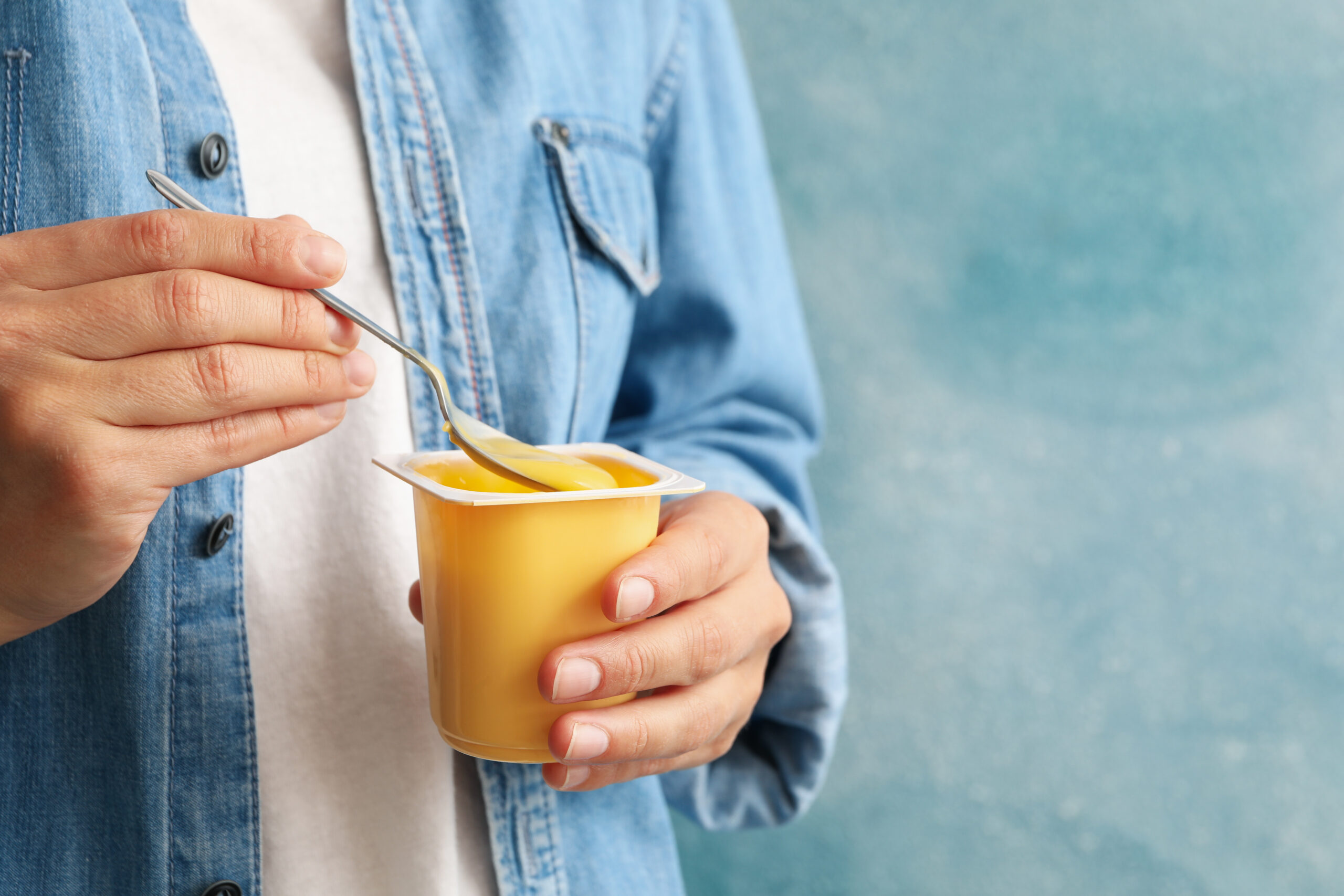
A tooth extraction can leave your mouth feeling tender, swollen, and a little unsure about what to do next, especially when it comes to eating. The right foods can support healing and keep you comfortable. The wrong foods can irritate the area, increase bleeding, or even lead to complications like dry socket.
If you are searching for soft foods to eat after tooth extraction, this guide breaks it down in a simple, practical way. We will cover what to eat in the first 24 to 48 hours, what you can add in the following days, and what to avoid so your recovery stays on track. If you have questions or your healing feels off, a follow up visit can offer quick peace of mind.
Why Food Choices Matter After an Extraction
After an extraction, a blood clot forms in the socket. That clot is essential because it protects the area and allows new tissue to form. Certain foods, drinks, and habits can dislodge the clot or irritate the tissue, which can slow healing and cause significant pain.
Your goal is to:
- keep the extraction site protected
- reduce irritation and inflammation
- maintain good nutrition and hydration
- avoid anything that could disrupt the clot
First 24 to 48 Hours: What to Eat and How to Eat It
The first two days are all about being gentle. During this period, stick to very soft, cool to lukewarm foods and avoid excessive chewing.
Best soft foods to eat after tooth extraction in the first 24 to 48 hours
Cool and smooth options
- yogurt
- applesauce
- pudding
- gelatin
- smoothies eaten with a spoon
- cottage cheese
- protein shakes
Warm, soothing options (not hot)
- mashed potatoes
- oatmeal or cream of wheat
- scrambled eggs
- lukewarm soup broth
- blended vegetable soups that are cooled slightly
High nutrition add ons
- mashed avocado
- hummus
- soft bananas
- well cooked pureed vegetables
Eating tips for the first two days
- chew on the opposite side if possible
- take small bites and eat slowly
- choose foods that do not require strong suction or slurping
- keep foods lukewarm, not hot, to avoid restarting bleeding
- stay hydrated, but sip gently
A common mistake is trying to “test” the area too soon with something chewy. If it pulls or aches, step back to softer foods.
Following Days: What to Eat After the Initial Healing Phase
After the first 48 hours, many people can start adding more texture, as long as pain and swelling are improving. The focus shifts to soft foods that are still easy to chew and do not leave crumbs or sharp edges.
Best soft foods for healing in the following days
Soft proteins
- flaky fish
- shredded chicken in small pieces
- soft meatballs
- tofu
- beans and lentils that are cooked until very soft
- egg salad or tuna salad
Soft carbs and comfort foods
- pasta, macaroni, and cheese
- rice that is cooked extra soft
- pancakes or soft waffles
- soft bread without crust, if tolerated
- well cooked noodles in mild sauce
Fruits and vegetables
- steamed or roasted vegetables that are very soft
- ripe peaches or pears
- mashed sweet potatoes
- smoothies and blended soups
Dairy and easy snacks
- ice cream without hard mix ins
- soft cheeses
- milkshakes eaten with a spoon
- smoothies with no seeds
As healing progresses, you can gradually reintroduce normal foods based on comfort. If you feel sharp pain, throbbing, or increased swelling, scale back and call your dentist.
Foods and Drinks to Avoid After a Tooth Extraction
Some foods are risky because they can get stuck in the socket, irritate the wound, or disturb the blood clot.
Foods to avoid
- crunchy foods like chips, popcorn, pretzels, crackers
- hard foods like nuts, raw carrots, hard crust bread
- sticky foods like caramel, taffy, gummy candy
- spicy foods that can burn or irritate tissue
- chewy foods like steak, bagels, jerky
- foods with small pieces like rice, quinoa, sesame seeds, chia seeds
- crumbly foods like cookies, granola, toasted bread
Drinks to avoid
- alcohol, especially in the first few days
- carbonated beverages if they cause discomfort
- very hot coffee or tea in the first 24 hours
- acidic drinks like citrus juice, which can irritate tissue
Important habit to avoid
Avoid using straws. Suction can dislodge the clot and increase dry socket risk. Even thick smoothies are better eaten with a spoon early on.
How Long Do You Need to Eat Soft Foods?
Most people stick to very soft foods for 24 to 48 hours, then gradually add soft chew foods for several more days. If you had a surgical extraction or wisdom tooth removal, you may need soft foods longer.
A simple rule: let comfort guide you. If chewing increases pain, stay soft. If everything feels calm and stable, you can slowly expand your options.
Signs You Should Call Your Dentist
Some discomfort is normal, but certain symptoms should be checked quickly:
- pain that suddenly worsens after improving
- throbbing pain that radiates to the ear or jaw
- bad taste or odor that does not go away
- swelling that increases after day three
- bleeding that restarts or will not stop
- fever or feeling unwell
These can be signs of dry socket or infection, and early treatment can bring relief fast.
Schedule a Follow Up Dental Visit
If you are unsure whether your extraction site is healing normally, a quick follow up can make recovery less stressful. At Novi Oaks Dental, we are happy to check the area, answer questions, and make sure everything is healing the way it should.
Schedule a follow up dental visit if you have ongoing pain, trouble eating, or you just want reassurance that your healing is on track.


