

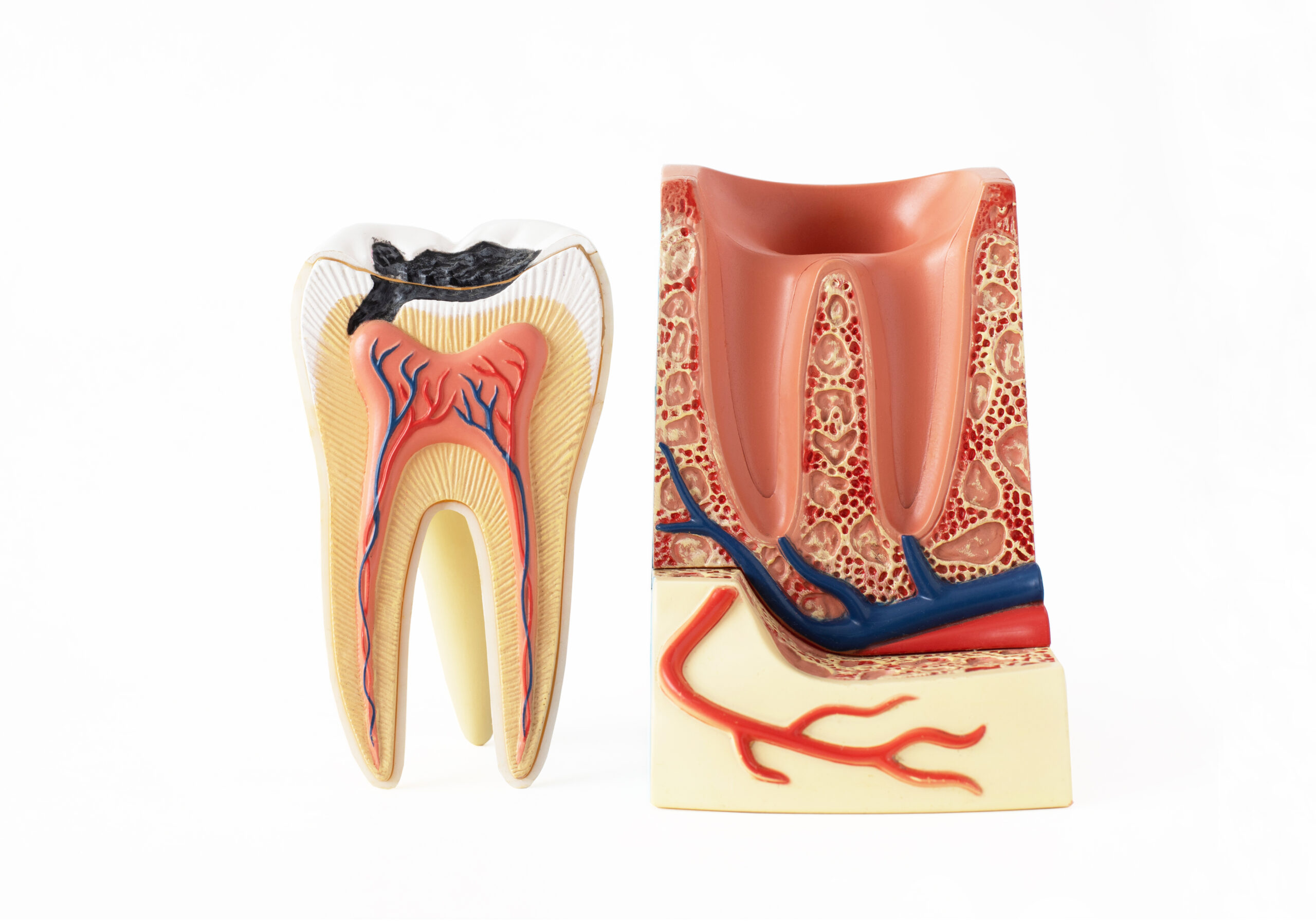
Root canal dentist in Novi is a search most people make when they’re already uncomfortable and just want to know two things. What’s causing this pain, and can it be fixed without a miserable appointment?
Here’s the honest answer. A root canal is meant to stop tooth pain, not create it. When the nerve inside a tooth is inflamed or infected, that’s when you get the deep ache, the throbbing, the “I can’t chew on that side” feeling, or pain that wakes you up. Treating the infection is what brings relief. With modern numbing and technique, most patients say it feels similar to getting a filling, just a bit longer.
At Novi Oaks Dental, we focus on clear explanations, gentle care, and getting you out of pain while saving your natural tooth whenever possible.
When is a root canal needed?
A root canal is usually recommended when the inner tissue of the tooth, called the pulp, is inflamed or infected. That can happen from a deep cavity, a crack, trauma to the tooth, or even an older filling that has broken down over time.
Sometimes the tooth looks fine on the outside, which is frustrating. But the nerve can be in trouble even when the surface doesn’t look dramatic. That’s why an exam and imaging matter. We want to confirm the cause before we recommend treatment.
Signs you may need a root canal
There isn’t one single symptom that proves you need a root canal, but these patterns are common when the nerve is involved.
| Symptom | What patients often notice | Why it matters |
| Lingering hot or cold sensitivity. | It lasts after the sip or bite is over. | That “linger” can signal nerve irritation. |
| Throbbing tooth pain. | It comes in waves or feels worse at night. | Inflammation tends to build when you lie down. |
| Pain when chewing. | It feels tender or sharp when you bite down. | The ligament around the root may be irritated. |
| Swelling or a gum bump. | A pimple-like bump or tenderness near the tooth. | Can indicate infection and needs prompt care. |
If you have swelling, fever, or worsening pain, it’s best not to wait.
What is the procedure really like today?
Root canals have a reputation that lingers from decades ago. In reality, the appointment is designed to be comfortable.
We numb the tooth thoroughly first. Once you’re numb, we gently remove the infected or inflamed tissue inside the tooth, clean the canals, and seal the space so bacteria can’t re-enter.
Most of the appointment is careful, detailed work. You are not sitting there “feeling” the procedure. You’re mostly just holding still while we do what’s needed to save the tooth.
Is a root canal painful?
During the procedure, it should not be. Modern local anesthetic makes a huge difference, and for most people, the experience is far more manageable than the pain that brought them in.
Mayo Clinic notes that with local anesthetic and dental advances, most people feel little or no pain during a root canal.
After the appointment, it’s normal to feel some tenderness for a few days, especially when chewing. That’s your body settling down as the inflammation resolves. Novi Oaks Dental’s post-operative instructions explain that pressure sensitivity can happen and should gradually improve.
Technology and comfort: what helps make treatment easier
Comfort comes from a few things working together. Good diagnosis, good anesthesia, and careful technique.
Modern imaging and tools help us plan treatment more precisely. That usually means less guessing, more predictability, and a smoother experience for you.
If you’re anxious, tell us. Many people are. A calm pace and knowing what’s happening step-by-step goes a long way.
How successful are root canals?
Root canal therapy has a strong record of success, especially when the tooth is restored properly afterward. Novi Oaks Dental notes that root canal treatment has a high success rate and many teeth can last a lifetime with proper care.
The big factor after the root canal is protection. Many back teeth need a crown to prevent cracking because the tooth can become more brittle over time.
If a crown is recommended, you can read about that here.
Local convenience: root canal care in Novi, MI
When you’re in pain, driving around Metro Detroit for multiple visits is the last thing you want to do. Novi Oaks Dental is right here in Novi which makes follow-ups and restoration appointments more convenient.
We also keep things straightforward. We start by listening, then we examine the tooth thoroughly, and then we explain what we found in plain language. If a root canal is truly the best option, you’ll understand why.
What to expect after your root canal
Most people go back to normal activities quickly. The main thing is to avoid chewing hard foods on that tooth until it’s fully restored.
Here is a simple timeline.
| Timeframe | What’s normal | What to do |
| Same day. | Numbness wears off, mild soreness. | Follow your care instructions and eat softer foods. |
| Days 1 to 3. | Tenderness when biting, mild sensitivity. | Avoid heavy chewing on that side. |
| After final restoration. | Tooth feels stable again. | Crown protection may be recommended. |
Book your root canal appointment today
If you suspect you need a root canal, the best move is getting clarity quickly. The sooner we treat the source of the pain, the easier it usually is to save the tooth and prevent complications.
Book your root canal appointment today with Novi Oaks Dental in Novi, MI.
FAQs
Can I wait if the pain goes away?
Sometimes pain fades even when infection remains. It’s common for symptoms to come and go. If you were told you need a root canal, it’s worth confirming next steps rather than assuming it resolved.
Will I need a crown afterward?
Many molars do. Front teeth sometimes don’t. We’ll recommend what protects the tooth best long-term.
How long does the appointment take?
It depends on the tooth and how complex the canals are. Some cases are done in one visit, others take two.
How long will the tooth last?
With proper restoration and good home care, root canal treated teeth often last many years, and in many cases a lifetime.
